
Honeycomb, not the healthiest treat but good for science and to explore the sugar industrial process. Girlkin is generally fascinated at the moment with making sweets (not so keen on the eating) but I think she likes the whole "will the science work or let me down mode." If the temps not right it won’t be as you expected.
We looked up honeycomb recipes and went for a nice and easy 3 ingredient recipe. During our internet travels we came across an interesting Guardian article that answered most of our questions about where does the sugar in our cupboard come from. So we went from cane to molasses to the refining process and sugar lice along the way.
On this journey we understood how big the industry was and talked a bot about hidden sugars and the effects on teeth, health and weight and whether it had any nutritional value, that's if you count sugar lice as being nutritious (you never know). This felt like a useful exercise as it had so many angles and places we could take and I managed to get some of the messages across about healthy eating and reducing sugar in the diet without even trying hard or nagging (phew).
I’ve got some pics of our first time honeycomb making the results were brilliant (in taste) and we remembered to share it out J not keep all to our greedy selves.
Ingredients:
100g caster sugar (you can use honey)
3 T (tablespooons) golden syrup
1 tsp sodium bicarbonate (note baking soda won’t work)
How to:
Mix the gold syrup and caster sugar in a pot and use a wooden spoon if you have one otherwise anything will do.
We found keeping the heat low-medium worked better as sugar is funny things and getting to a high temp quick just leads to burning the mix.
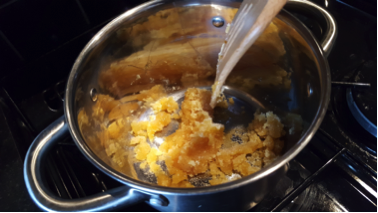
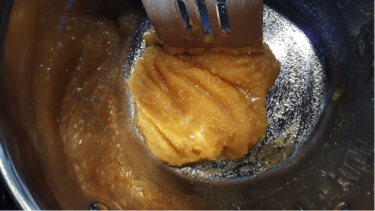
Starts to melt together.
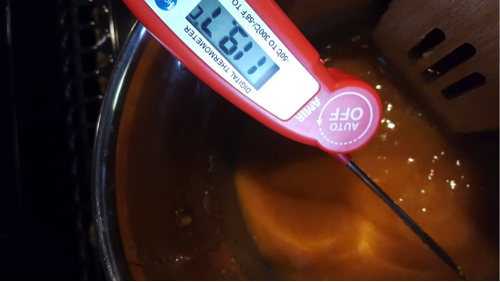
Begins boiling and turning golden, nice smell at this point.
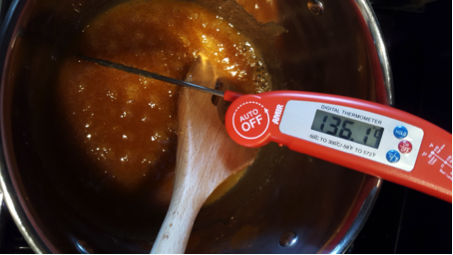
Stop at this temperature (130-140C) for a chewy gooey honeycomb (each to their own).

Ideal temperature (145-150C) steadily bubbling deep amber colour for a crunchy, firm honeycomb you can crack.
Now some science my kids liked, add the 1tsp of sodium bicarbonate and quickly mix it in evenly (to avoid salty patches in the honeycomb).
The whole thing starts emerging into a bubbly expansive mass.

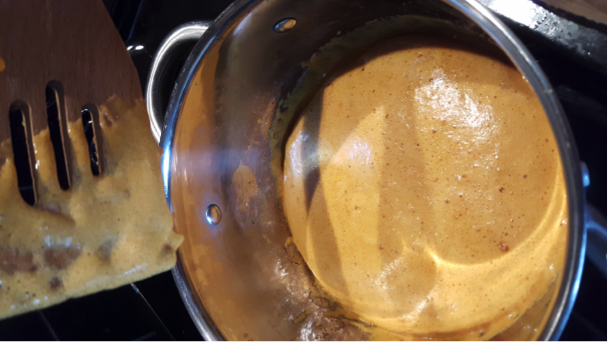
Once it looked like it stopped (with this quantity of ingredients it safely stays in the pot) we transferred to a baking pan lined with silicon coated baking sheet. Didn't need to grease it.
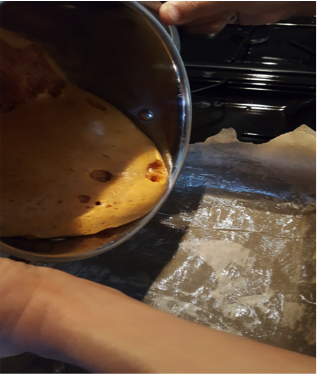

I know it kind of looks like a blobby mess on the baking sheet but later on once it hardened at room temperature (30 mins) second batch we hardened in the fridge (10 mins) you can start to easily break it up by hand and leave it as simple honeycomb or decorate.
TIP – I was worried about the potential mess of sticky sugar but all residues on utensils and pot and work surfaces easily dissolved in water. Pots and utensils soak and after 10ms it all melts off cleanly.
